
Will “The Devil Wears Prada 2” be ruined by spoilers? When you enjoy the anticipation too much, the real moment risks arriving already consumed.
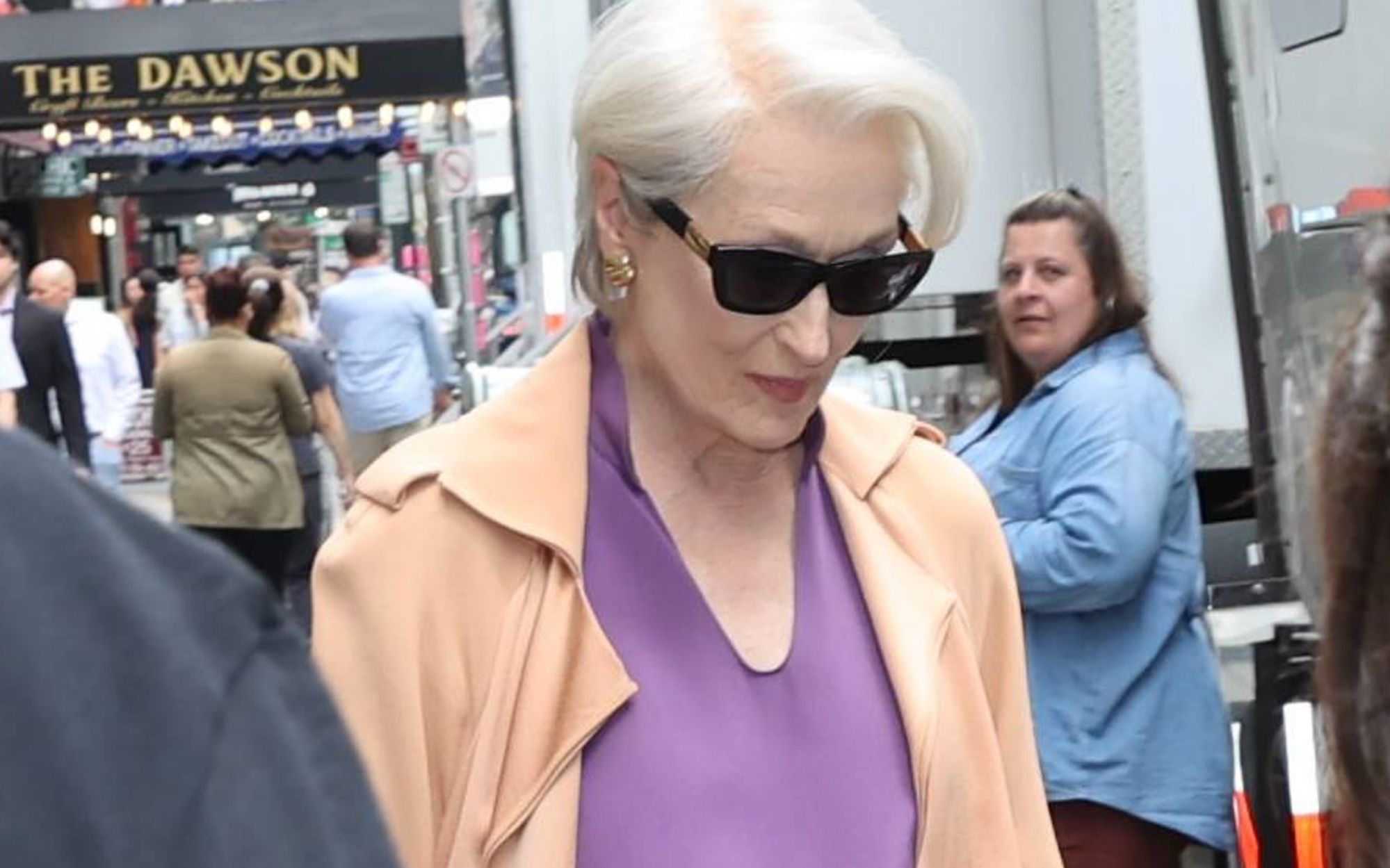
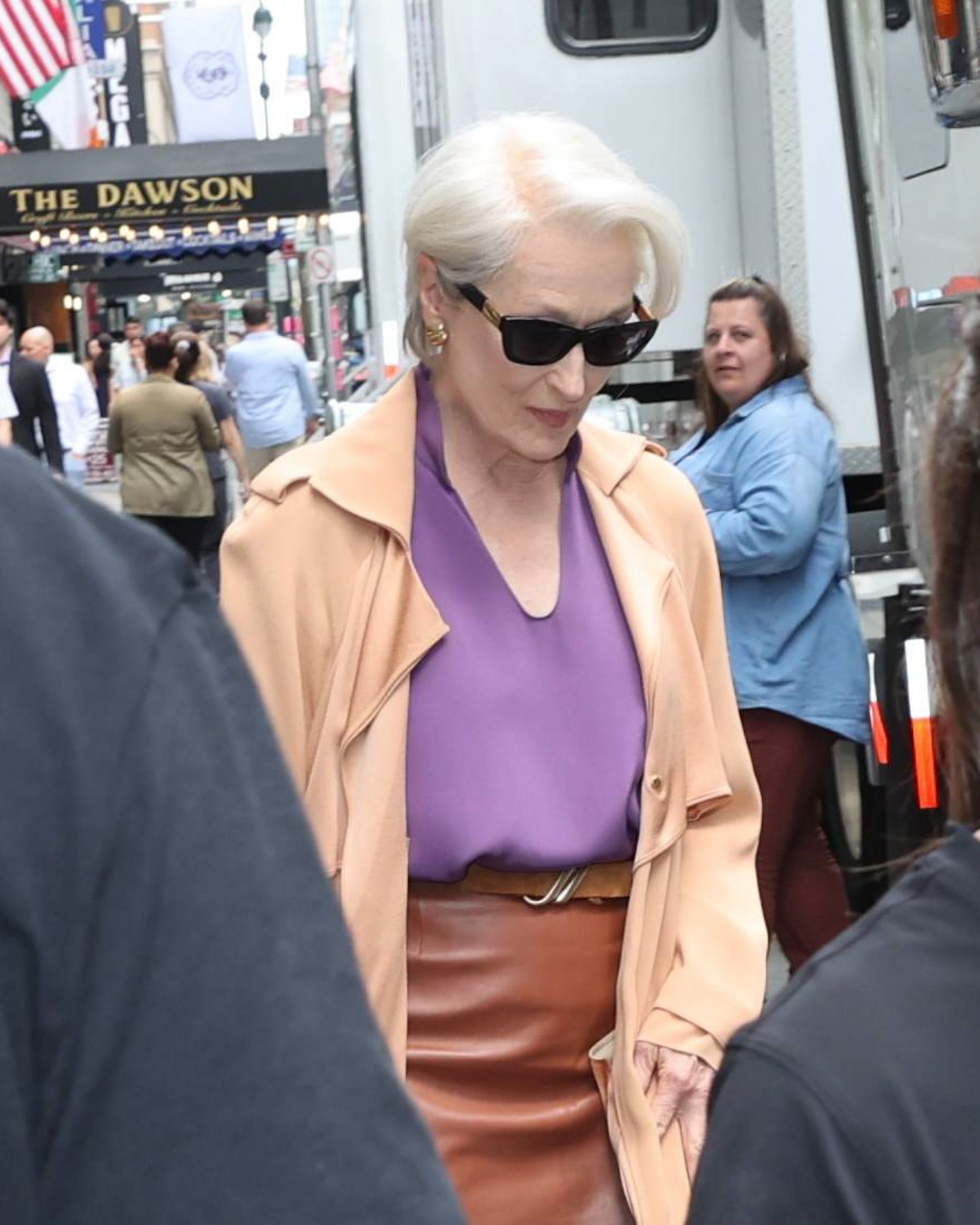
These days, it takes a lot to turn a film into a blockbuster. If just a decade ago a few well-placed trailers and some posters were enough, today a film's release is a complex liturgy: the premiere has become a global tour with dozens of red carpets, gossip circulates about screen tests and early reviews, and cast interviews must go viral online both before and after the film's release. Above all, however, on-set leaks and sneak peeks have become the new norm — spoilers that reveal behind-the-scenes secrets out of context, thrown to a crowd whose pressure sometimes even convinces producers to make last-minute changes. But for the highly anticipated sequel to The Devil Wears Prada, the bar for guerrilla marketing is even higher: Anne Hathaway kicked things off with a video of herself getting ready to go on set in a cerulean sweater — a reference to the original film’s early scenes. Several of her looks followed, three of which she posted herself, plus new on-set photos including Stanley Tucci and of course Meryl Streep. The online hype machine was officially underway: debates had already begun over Hathaway’s outfits, over plot details based on the novel Revenge Wears Prada, and over the film’s stylist — no longer the legendary Patricia Field, but someone else. According to the well-informed Rachel Tashjian-Wise, it’s Molly Rogers and Danny Santiago, the duo behind the costumes of And Just Like That. Adding fuel to the fire, a meme started circulating on Twitter showing various unrelated celebrities (Adele, Zayn Malik, Justin Bieber, Selena Gomez, and others) as if they were part of the cast — the hype had already turned into parody. But perhaps that parody hit the mark: aren’t all these previews at risk of ruining the film itself?
I feel like I’ve already seen too many scenes from The Devil Wears Prada 2. Can we keep the rest as a surprise please pic.twitter.com/pfw4e9sCXU
— juIia (@rosesforwIne) July 23, 2025
Beyond the obvious issue of forced spoilers, especially regarding the outfits — which spoil the visual surprise by the time we actually watch the film — the real problem lies in how teasing has turned into provocation and ragebait. This is evident in the online hunt for the costume designers, with critical comments already targeting Molly Rogers and Danny Santiago before their roles have even been confirmed. And even if the details of who styled which character remain speculative, the debate becomes toxic when outlets like Vogue or Harper’s Bazaar publish headlines like “All the Looks Seen on Set...” with five outfits already fully dissected and analyzed piece by piece. As always happens on the Internet, complaints follow: some say this character would never wear that look, others express disappointment, and many critique Meryl Streep’s hairstyle. This mechanism is powered both by the production itself — Anne Hathaway’s social media being a major promotional tool — and by the digital ecosystem of paparazzi and institutional media who, in their desperate chase for clicks and engagement, would throw even their own relatives to the wolves. It’s the hype machine which, like all endlessly running engines, ends up polluting the vibe.
@ideservecouture What is Andy wearing so far in The Devil Wears Prada 2? #devilwearsprada #annehathaway #fashion #andreasachs Vogue (Edit) - Madonna
And this phenomenon isn’t limited to this film alone: the on-set photos from Ryan Murphy’s new series about Carolyn Bessette-Kennedy were caught in a storm of online bullying after images of the lead actress — taken between takes and showing an incomplete outfit — were misinterpreted and stirred up fan outrage. The upcoming Harry Potter series has also drawn toxic and hateful comments toward the entire cast even before release. And let’s not forget the infamous production of Disney’s Snow White, where each leaked photo caused such chaos that the studios had to rework major parts of the film three times, leading to delays, a hostile reception, and eventually a flop fueled by review-bombing. The mechanism is quite toxic — for instance, in the original film, Anne Hathaway’s post-makeover entrance at the office was a true surprise. Had audiences been able to dissect it beforehand, the impact would have been seriously weakened. And while this new film — which helped a generation romanticize working in fashion — is certainly in demand and could explore how the industry has changed in the digital age, it arrives already as a hypotext based on a pre-text (namely, the original film), and thus lacks full cultural autonomy, as its impact is inherently tied to that of its predecessor. In short, semantically speaking, the film starts at a structural disadvantage.
the devil wears prada: 2006 vs 2025
— mary morgan (@maryarchived) July 23, 2025
look at what they’ve done to my girl andy pic.twitter.com/silcZ8KYCS
The issue remains the same: the public’s hunger for previews and discourse, the performative anxiety of productions, and a media landscape that encourages us to experience films in advance — breaking them into countless images, gossip, and behind-the-scenes leaks — is robbing many movies of their magic. It doesn’t help that audiences project impossible expectations onto these films: in the case of The Devil Wears Prada 2, the bar has been set unrealistically high, as the original film left a generational mark. It will be impossible to satisfy everyone. The real difference is that when the original film came out, we approached cinema as simple viewers: in 2006, we watched The Devil Wears Prada directly, without much interpretive mediation. The experience of this sequel, by contrast, is already shaped by a constellation of previews — trailers, spoilers, on-set photos, and online discourse — that constitute what semiotics calls an expanded paratext, creating a sort of “media filter” that will condition our experience in the theater. This excess of preliminary meaning leads to a form of hypersemiosis — a pre-emptive production of meaning that anticipates and partly overshadows the film itself, turning the actual viewing into a confirmation of preconceived expectations rather than an authentic encounter with a work of its own. So the question remains: are we truly excited for the sequel to a legendary film, or are we simply indulging in the masochistic pleasure of scripting our own disappointment?